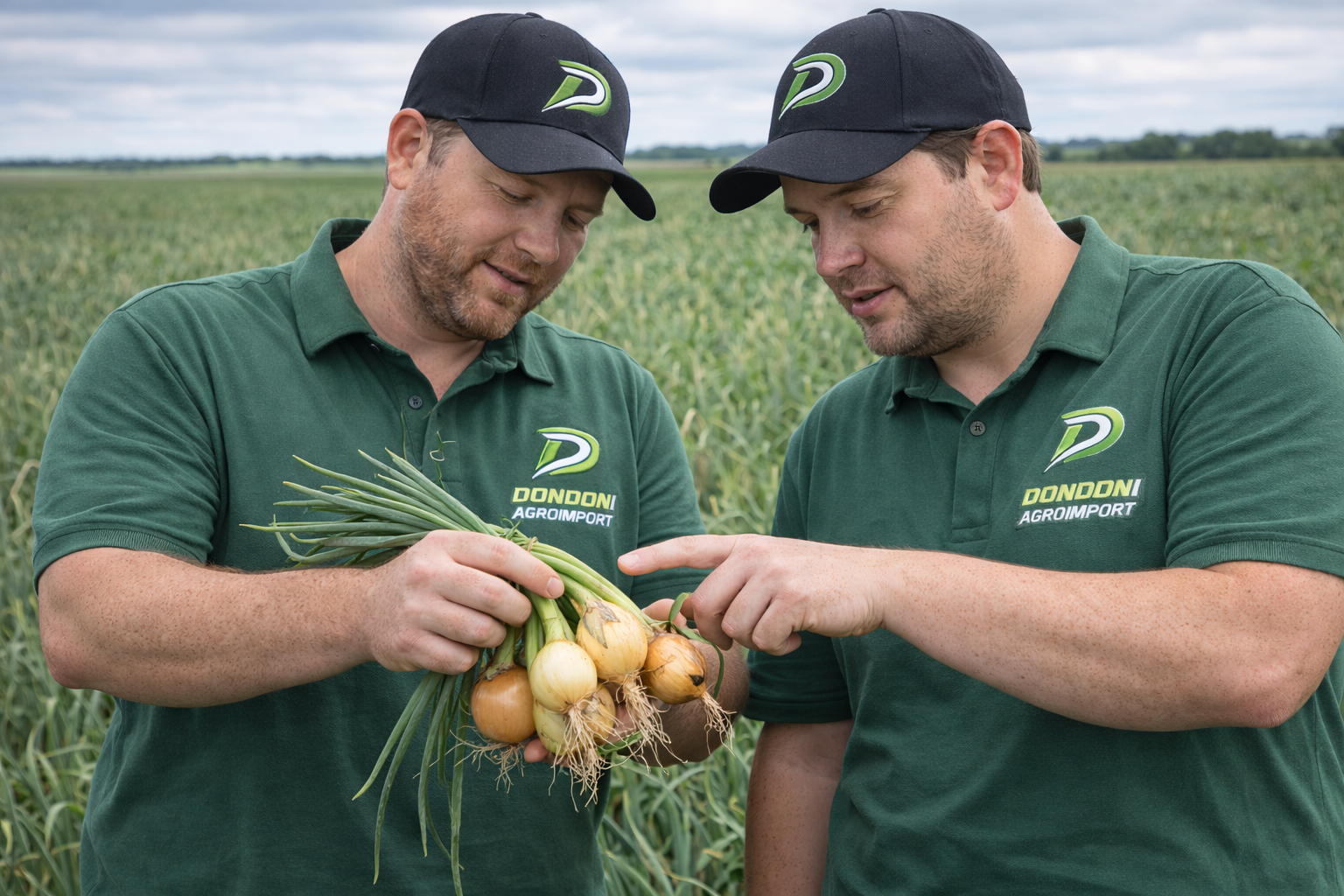
ONION
Nutritionists recommend consuming tomatoes because they are rich in lycopene, vitamins A and B complex, and important minerals such as phosphorus and potassium, as well as folic acid, calcium, and fructose. The riper the tomato, the higher the concentration of these nutrients.
Tomatoes are composed mainly of water, containing approximately fourteen calories per hundred grams. Some studies confirm their positive influence in cancer treatment, as lycopene, the pigment that gives tomatoes their color, is considered effective in preventing prostate cancer and strengthening the immune system.

How we produce our onions
Learn about our production model.
Agricultural Planning
Input planning takes into account the expected production for each planting season, aiming to obtain the best cost/benefit ratio, and decisions about which hybrids will be planted are based on our research database and according to the biotechnologies identified as necessary for the production system.
Livestock farming
Preparation, sowing and management
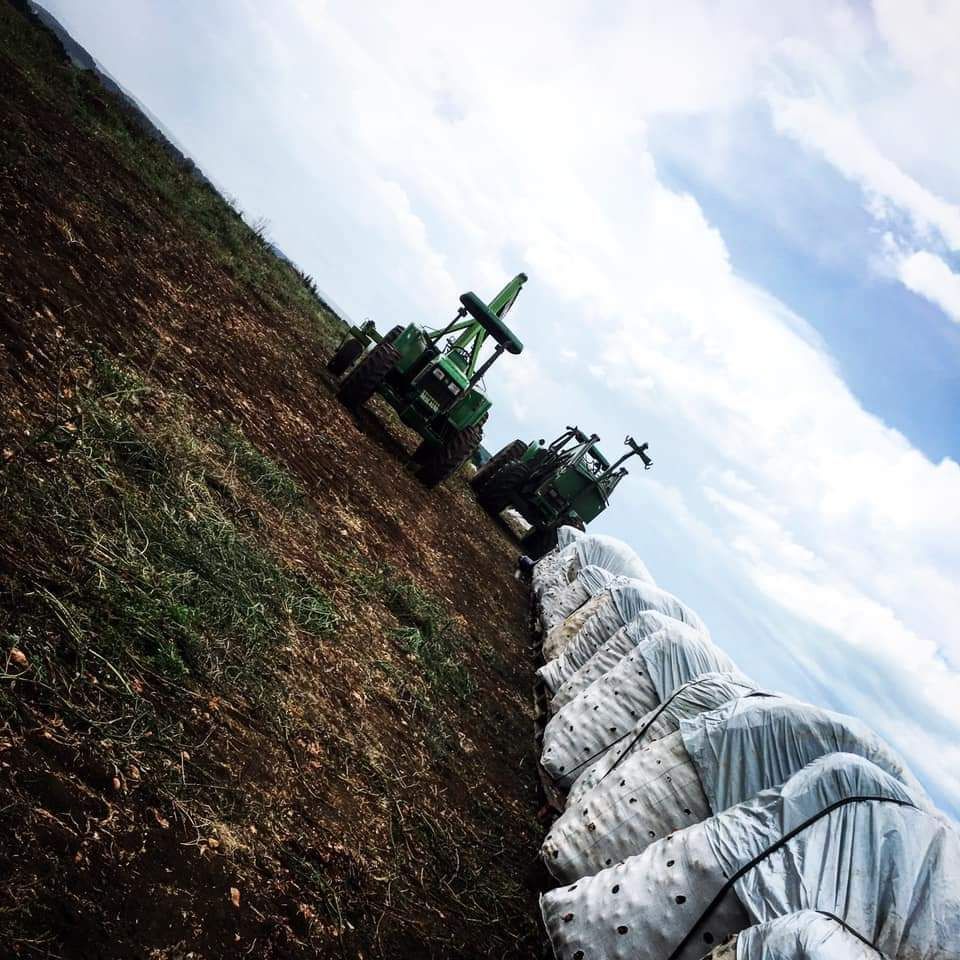
Sowing is carried out using high-tech machinery, at the most suitable time for each growing region.
Military
Harvest
The time required to harvest onions varies greatly, ranging from 85 days to almost 300 days after sowing, and depends on the cultivar used, the region where planting takes place, and the season in which onions are grown.
Corn
Processing and storage
It begins with the sorting process, then goes through cleaning, and after that they are sent for transport.
Button
Our
PRODUCTION
Discover our production